

Reading Body Language While Listening for Words
Launch library · evergreen read

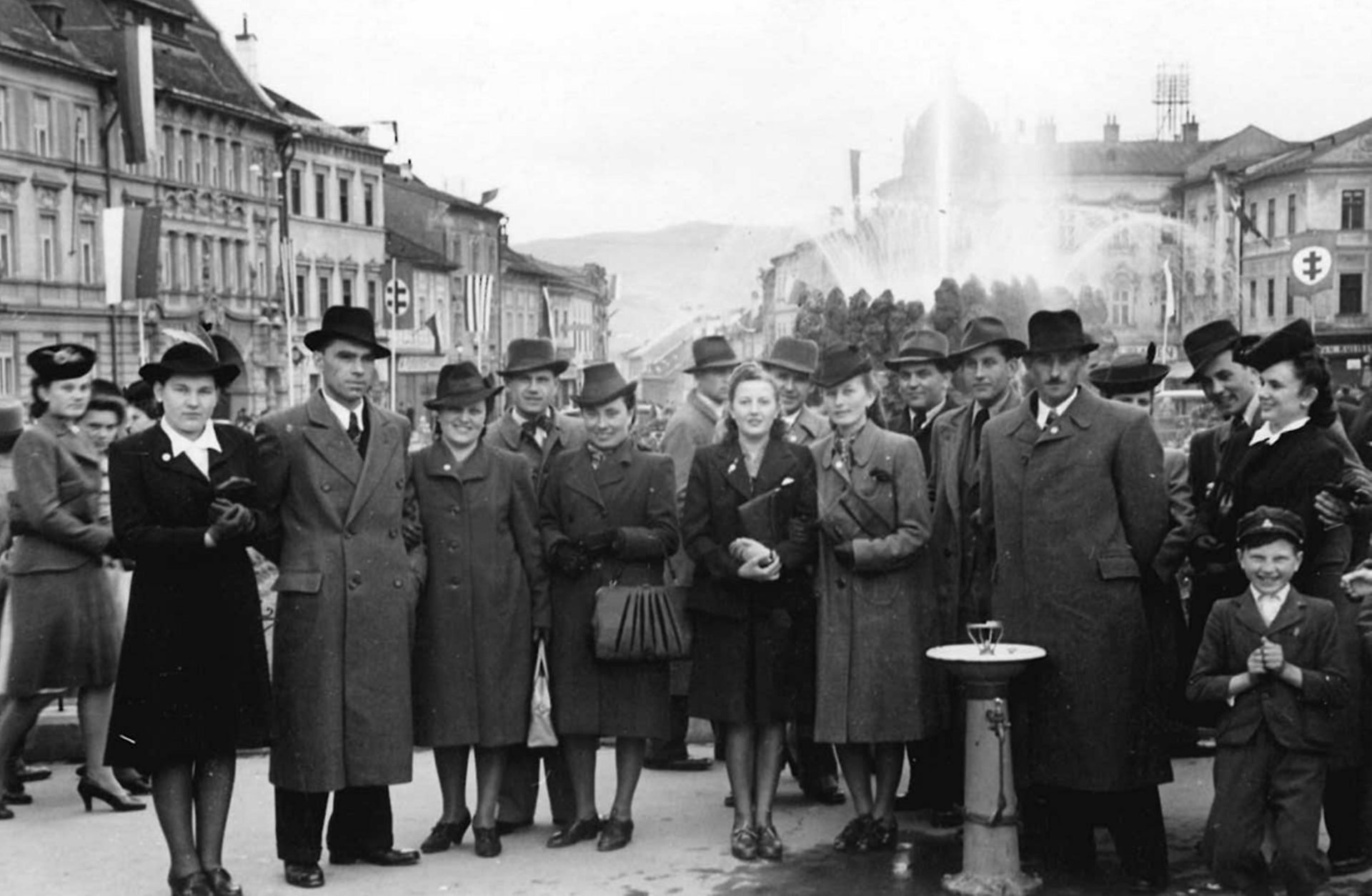
An interview is never purely auditory in practice, even when the final record produced is only an audio recording of what was said. An interviewer attentive to posture, gesture and facial expression during the conversation often notices meaning that the spoken words alone would not have fully conveyed to a listener later.
A speaker's shoulders dropping, a hand tightening, a sudden avoidance of eye contact, can signal exactly where a question has touched something sensitive. This happens even if the spoken answer itself sounds composed and unremarkable to anyone reviewing the transcript afterwards without having been present in the room.
While this visual information rarely makes it into a final audio recording in any usable form, noting it at the time, even briefly afterwards in a written observation, adds real value. It provides a layer of context that a transcript alone would never be able to reconstruct on its own.